Falls can have a major impact on health, especially for older adults. A fall can lead to broken bones, reduced mobility, and a loss of confidence while walking. Many falls are linked to foot pain, poor balance, or changes in the way a person walks. Arthritis, reduced feeling in the feet, and foot deformities can make it harder to stay steady on uneven surfaces. Wearing shoes that fit properly and provide good support also plays an important role in maintaining balance. Shoes that are too loose or shoes that lack proper support can increase the risk of losing footing. Painful conditions like bunions, hammertoes, and heel pain also can change walking patterns and increase the chance of a fall.
A podiatrist can identify foot problems that affect balance before they lead to a serious injury. The examination includes checking foot structure, joint movement, and circulation. The podiatrist also evaluates the way the patient stands and walks because changes in gait can affect stability. Gait is the body's walking pattern. The evaluation also looks for reduced feeling in the feet, painful calluses, and other conditions that interfere with safe movement. Early diagnosis allows treatment to begin before foot problems become more severe. Regular foot examinations are especially important for older adults because age-related changes can increase the risk of falls.
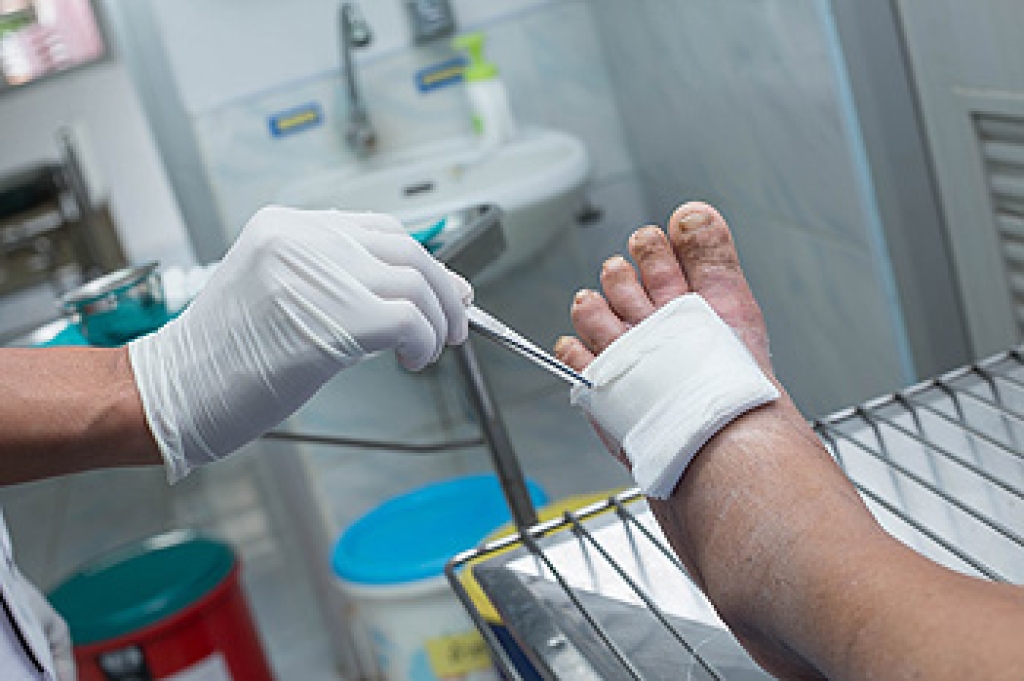
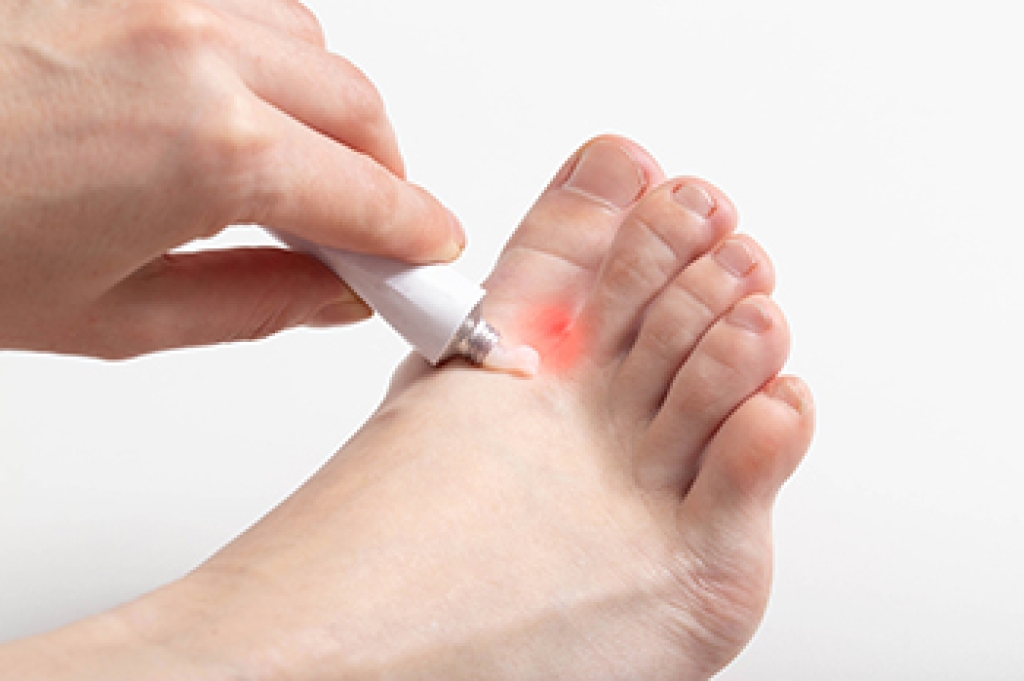
Professional foot care helps improve comfort, stability, and confidence while walking. A podiatrist can recommend custom orthotics to improve foot alignment and distribute pressure more evenly across the feet. Care also includes treatment for bunions, fungal nail infections, and ingrown toenails that affect balance and mobility. The podiatrist can recommend shoes that fit properly and provide good support for everyday activities. Routine follow-up visits help monitor changes in foot health and reduce the risk of falls caused by painful foot conditions. If you have symptoms of foot pain, balance problems, or other foot conditions that increase your risk of falls, it is suggested that you schedule an appointment with a podiatrist for diagnosis and treatment.
Preventing falls among the elderly is very important. If you are older and have fallen or fear that you are prone to falling, consult with one of our podiatrists from Westside Podiatry Center, LLP. Our doctors will assess your condition and provide you with quality advice and care.
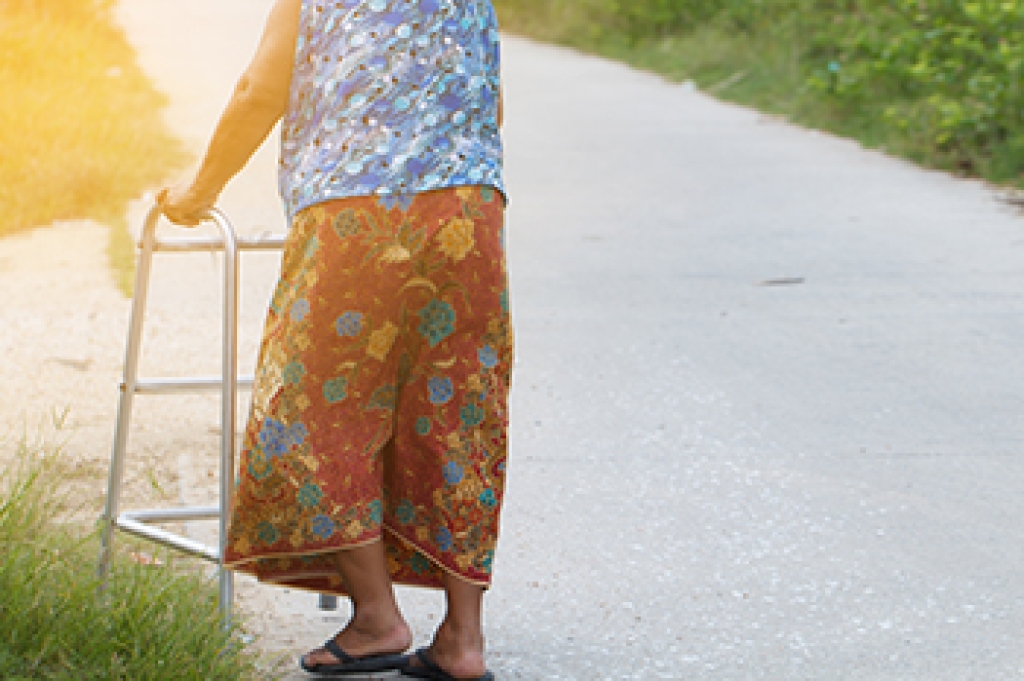
Every 11 seconds, an elderly American is being treated in an emergency room for a fall related injury. Falls are the leading cause of head and hip injuries for those 65 and older. Due to decreases in strength, balance, senses, and lack of awareness, elderly persons are very susceptible to falling. Thankfully, there are a number of things older persons can do to prevent falls.
How to Prevent Falls
Some effective methods that older persons can do to prevent falls include:
- Enrolling in strength and balance exercise program to increase balance and strength
- Periodically having your sight and hearing checked
- Discuss any medications you have with a doctor to see if it increases the risk of falling
- Clearing the house of falling hazards and installing devices like grab bars and railings
- Utilizing a walker or cane
- Wearing shoes that provide good support and cushioning
- Talking to family members about falling and increasing awareness
Falling can be a traumatic and embarrassing experience for elderly persons; this can make them less willing to leave the house, and less willing to talk to someone about their fears of falling. Doing such things, however, will increase the likelihood of tripping or losing one’s balance. Knowing the causes of falling and how to prevent them is the best way to mitigate the risk of serious injury.
If you have any questions, please feel free to contact one of our offices located in Liverpool, Camillus, Skaneateles, Oswego, and Cicero, NY . We offer the newest diagnostic and treatment technologies for all your foot care needs.