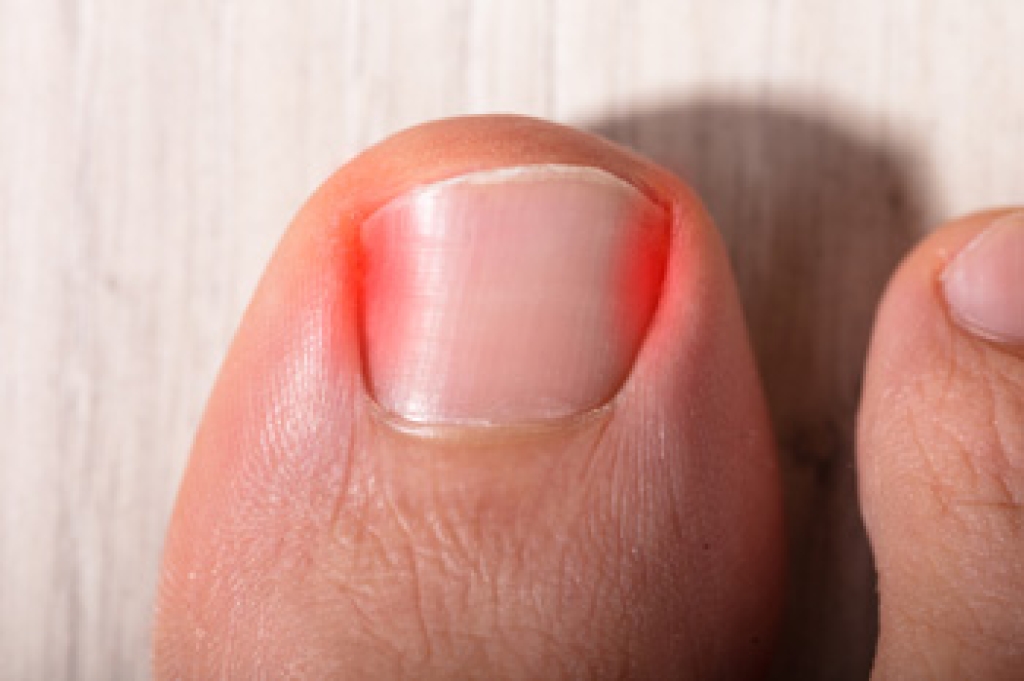
Plantar Warts and Home Remedies

Plantar warts are an uncomfortable condition that affects the soles of the feet. Unlike other warts, plantar warts grow inward through the thick skin on the bottom of the foot. This can cause extreme discomfort and sensitivity. Many people try to fix their plantar warts at home through various methods, including apple cider vinegar, duct tape, and even urine. There is no scientific evidence to support that these remedies actually work, but sometimes they might trigger the immune system. Plantar warts hide in the thick skin on the sole of the foot and usually go undetected by the immune system, which helps them thrive. If attention is brought to them, then the immune system might be able to fight off the infection, but the most effective way to fix plantar warts is to seek help from a medical professional. If you think you may have plantar warts, then it is suggested you speak with a podiatrist to receive the proper treatment.

Plantar warts can be very uncomfortable. If you need your feet checked, contact one of our podiatrists from Westside Podiatry Center, LLP. Our doctors will assist you with all of your foot and ankle needs.

About Plantar Warts

Plantar warts are the result of HPV, or human papillomavirus, getting into open wounds on the feet. They are mostly found on the heels or balls of the feet.

While plantar warts are generally harmless, those experiencing excessive pain or those suffering from diabetes or a compromised immune system require immediate medical care. Plantar warts are easily diagnosed, usually through scraping off a bit of rough skin or by getting a biopsy.

Symptoms

  • Lesions on the bottom of your feet, usually rough and grainy
  • Hard or thick callused spots
  • Wart seeds, which are small clotted blood vessels that look like little black spots
  • Pain, discomfort, or tenderness of your feet when walking or standing

Treatment

  • Freezing
  • Electric tool removal
  • Laser Treatment
  • Topical Creams (prescription only)
  • Over-the-counter medications

To help prevent developing plantar warts, avoid walking barefoot over abrasive surfaces that can cause cuts or wounds for HPV to get into. Avoiding direct contact with other warts, as well as not picking or rubbing existing warts, can help prevent the further spread of plantar warts. However, if you think you have developed plantar warts, speak to your podiatrist. He or she can diagnose the warts on your feet and recommend the appropriate treatment options.

If you have any questions, please feel free to contact one of our offices located in Liverpool, Camillus, Skaneateles, Oswego, and Cicero, NY . We offer the newest diagnostic and treatment technologies for all your foot care needs.
Read more about Plantar Warts

What Causes Flat Feet

Flat feet, also known as fallen arches, is a condition that occurs when the arch of the foot is lower than usual. Normally, the foot has an arch in the middle, so the heel and ball of the foot are primarily what touches the ground. For those with flat feet, the arch may have never fully developed, or over time might have flattened downward. Children’s feet develop differently, and some children never develop an arch. This is nothing to be too concerned about and usually results in little to no complications. On the other end of the spectrum, some flat feet develop over time as a result of wear and tear. Adults who have injured their foot or ankle, have rheumatoid arthritis, have diabetes, or are obese are at a higher risk for their arch to drop. While this condition usually does not cause serious health issues, if you think you have flat feet or may be developing it, then it is recommended you speak with a podiatrist to gain further knowledge.

Flatfoot is a condition many people suffer from. If you have flat feet, contact one of our podiatrists from Westside Podiatry Center, LLP. Our doctors will treat your foot and ankle needs.

What Are Flat Feet?

Flatfoot is a condition in which the arch of the foot is depressed and the sole of the foot is almost completely in contact with the ground. About 20-30% of the population generally has flat feet because their arches never formed during growth.

Conditions & Problems:

Having flat feet makes it difficult to run or walk because of the stress placed on the ankles.

Alignment – The general alignment of your legs can be disrupted, because the ankles move inward which can cause major discomfort.

Knees – If you have complications with your knees, flat feet can be a contributor to arthritis in that area.  

Symptoms

  • Pain around the heel or arch area
  • Trouble standing on the tip toe
  • Swelling around the inside of the ankle
  • Flat look to one or both feet
  • Having your shoes feel uneven when worn

Treatment

If you are experiencing pain and stress on the foot you may weaken the posterior tibial tendon, which runs around the inside of the ankle. 

If you have any questions, please feel free to contact one of our offices located in Liverpool, Camillus, Skaneateles, Oswego, and Cicero, NY . We offer the newest diagnostic and treatment technologies for all your foot care needs.

Read more about Flatfoot

Should You Pop Your Blister?

Blisters usually form on the back of the ankle and are a result of friction between your skin and your shoe. Depending on what caused the blister, blisters can be filled with a couple different fluids. These fluids include, plasma, blood, serum, and pus. These fluids are working to protect the skin and assist the body in the healing process. This is why you should never pop or break a blister, doing so will only stall the healing process. Also, opening up the blister and creating a wound puts you at a higher risk for infection. There are some instances when the blister should be drained, but this should be done by a medical professional. A doctor can use a sterile needle to drain the fluid and this is a much safer method. If you have a blister and think that it should be drained, then it is suggested you speak to a podiatrist in order to properly take care of it.

Blisters are prone to making everyday activities extremely uncomfortable. If your feet are hurting, contact one of our podiatrists of Westside Podiatry Center, LLP. Our doctors can provide the care you need to keep you pain-free and on your feet.

Foot Blisters

Foot blisters develop as a result of constantly wearing tight or ill-fitting footwear. This happens due to the constant rubbing from the shoe, which can often lead to pain.

What Are Foot Blisters?

A foot blister is a small fluid-filled pocket that forms on the upper-most layer of the skin. Blisters are filled with clear fluid and can lead to blood drainage or pus if the area becomes infected.

How Do Blisters Form?

Blisters on the feet are often the result of constant friction of skin and material, usually by shoe rubbing. Walking in sandals, boots, or shoes that don’t fit properly for long periods of time can result in a blister. Having consistent foot moisture and humidity can easily lead to blister formation.

Prevention & Treatment

It is important to properly care for the affected area in order to prevent infection and ease the pain. Do not lance the blister and use a Band-Aid to provide pain relief. Also, be sure to keep your feet dry and wear proper fitting shoes. If you see blood or pus in a blister, seek assistance from a podiatrist.

If you have any questions, please feel free to contact one of our offices located in Liverpool, Camillus, Skaneateles, Oswego, and Cicero, NY . We offer the newest diagnostic and treatment technologies for all your foot care needs.
Read more about Blisters

Possible Causes of Bunions

The medical term referred to as a bunion is considered to be a deformity of the big toe. The noticeable symptom is a bony protrusion on the side of the toe, and this typically occurs when the toe points inward. It may produce pain and discomfort as time progresses, in addition to a possible bump forming on the inside of the foot. Patients who are afflicted with bunions may find difficulty in wearing shoes, and may have to select larger shoes that can accommodate this condition. There are  reasons why bunions may develop, including genetics which can affect the structure of the foot, and wearing shoes that fit incorrectly or are tight. Some of these types of shoes may include high heels which may not provide adequate room for the toes to move freely. Additionally, enduring an injury may be the cause for a bunion to form. If you notice a bunion beginning to form, it is advised to seek the counsel of a podiatrist who can properly treat this condition.

If you are suffering from bunion pain, contact one of our podiatrists of Westside Podiatry Center, LLP. Our doctors can provide the care you need to keep you pain-free and on your feet.

What Is a Bunion?

Bunions are painful bony bumps that usually develop on the inside of the foot at the joint of the big toe. As the deformity increases over time, it may become painful to walk and wear shoes. Women are more likely to exacerbate existing bunions since they often wear tight, narrow shoes that shift their toes together. Bunion pain can be relieved by wearing wider shoes with enough room for the toes.

Causes

  • Genetics – some people inherit feet that are more prone to bunion development
  • Inflammatory Conditions - rheumatoid arthritis and polio may cause bunion development

Symptoms

  • Redness and inflammation
  • Pain and tenderness
  • Callus or corns on the bump
  • Restricted motion in the big toe

In order to diagnose your bunion, your podiatrist may ask about your medical history, symptoms, and general health. Your doctor might also order an x-ray to take a closer look at your feet. Nonsurgical treatment options include orthotics, padding, icing, changes in footwear, and medication. If nonsurgical treatments don’t alleviate your bunion pain, surgery may be necessary.

If you have any questions, please feel free to contact one of our offices located in Liverpool, Camillus, Skaneateles, Oswego, and Cicero, NY . We offer the newest diagnostic and treatment technologies for all your foot care needs.

Read more about Bunions

Protecting Your Feet from Plantar Warts at the Gym

Plantar warts are small growths that mainly appear at the bottom of your foot and are a common viral skin infection. Unfortunately, they spread easily and being cautious in certain public spaces is key to protecting your feet. One public space to be especially vigilant in is the gym. It is important to always wear shoes at the gym, specifically near pools, in locker rooms and showers. Simply keeping a pair of shower shoes or flip flops in your gym bag helps to keep your feet safe from the multitude of bacteria that they would otherwise be exposed to. Additionally, any cuts or small wounds should always be covered. If you have a cut, it is also a good idea to stay away from saunas and hot tubs until it is healed. Covering your feet in order to prevent contact with an infected area is the best way to avoid these uncomfortable warts. If you think you may have contracted plantar warts, it is recommended that you speak to a podiatrist to receive proper treatment.

Plantar warts can be very uncomfortable. If you need your feet checked, contact one of our podiatrists from Westside Podiatry Center, LLP. Our doctors will assist you with all of your foot and ankle needs.

About Plantar Warts

Plantar warts are the result of HPV, or human papillomavirus, getting into open wounds on the feet. They are mostly found on the heels or balls of the feet.

While plantar warts are generally harmless, those experiencing excessive pain or those suffering from diabetes or a compromised immune system require immediate medical care. Plantar warts are easily diagnosed, usually through scraping off a bit of rough skin or by getting a biopsy.

Symptoms

  • Lesions on the bottom of your feet, usually rough and grainy
  • Hard or thick callused spots
  • Wart seeds, which are small clotted blood vessels that look like little black spots
  • Pain, discomfort, or tenderness of your feet when walking or standing

Treatment

  • Freezing
  • Electric tool removal
  • Laser Treatment
  • Topical Creams (prescription only)
  • Over-the-counter medications

To help prevent developing plantar warts, avoid walking barefoot over abrasive surfaces that can cause cuts or wounds for HPV to get into. Avoiding direct contact with other warts, as well as not picking or rubbing existing warts, can help prevent the further spread of plantar warts. However, if you think you have developed plantar warts, speak to your podiatrist. He or she can diagnose the warts on your feet and recommend the appropriate treatment options.

If you have any questions, please feel free to contact one of our offices located in Liverpool, Camillus, Skaneateles, Oswego, and Cicero, NY . We offer the newest diagnostic and treatment technologies for all your foot care needs.

Read more about All About Plantar Warts

Connect With Us