Is It a Bunion or Gout? How to Tell the Difference

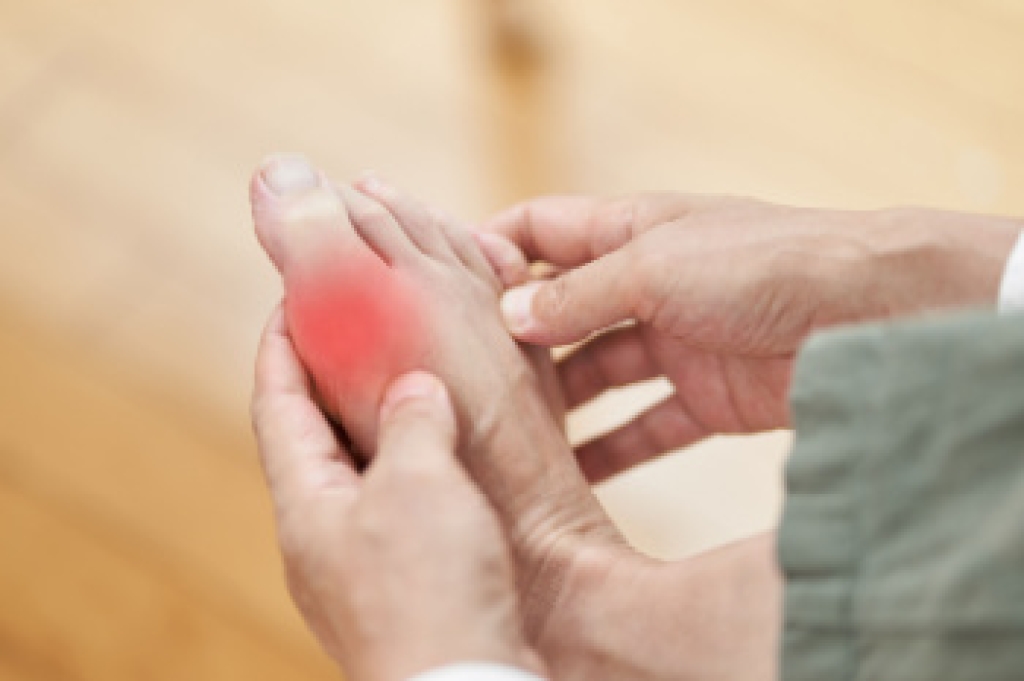
Bunions and gout can both cause pain and swelling around the big toe, but they have different causes and treatments. A bunion is a bony bump that forms when the big toe joint becomes misaligned, often due to genetics, tight shoes, or abnormal foot structure. It usually looks like a hard bump on the side of the toe and feels achy, stiff, or sore, especially when walking. Gout is caused by a buildup of uric acid crystals in the joint, leading to sudden, intense pain, redness, and warmth that may come on overnight. The toe may appear red, shiny, and extremely tender to touch. A podiatrist can help determine whether it is a bunion or gout through a physical exam, imaging, and possibly lab testing. Treatment may involve medication, footwear changes, or custom orthotics. If you are dealing with pain in your big toe, it is suggested that you make an appointment with a podiatrist for an accurate diagnosis and relief.

Gout is a foot condition that requires certain treatment and care. If you are seeking treatment, contact one of our podiatrists from Westside Podiatry Center, LLP. Our doctors will treat your foot and ankle needs.

What Is Gout?

Gout is a type of arthritis caused by a buildup of uric acid in the bloodstream. It often develops in the foot, especially the big toe area, although it can manifest in other parts of the body as well. Gout can make walking and standing very painful and is especially common in diabetics and the obese.

People typically get gout because of a poor diet. Genetic predisposition is also a factor. The children of parents who have had gout frequently have a chance of developing it themselves.

Gout can easily be identified by redness and inflammation of the big toe and the surrounding areas of the foot. Other symptoms include extreme fatigue, joint pain, and running high fevers. Sometimes corticosteroid drugs can be prescribed to treat gout, but the best way to combat this disease is to get more exercise and eat a better diet.

If you have any questions, please feel free to contact one of our offices located in Liverpool, Camillus, Skaneateles, Oswego, and Cicero, NY . We offer the newest diagnostic and treatment technologies for all your foot care needs.

Read more about Gout

Flat Feet in Children

Flat feet, a common condition in children, occurs when the arches of the feet do not develop fully. There are two types, which are flexible flat feet, where the arch is visible when the child is sitting but flattens when standing, and rigid flat feet, where the arch is absent even when the foot is at rest. Symptoms include foot pain, difficulty walking, or tripping. In some cases, children may also complain of discomfort in their knees or lower back due to misalignment. Causes include genetic factors, obesity, or developmental issues in the foot's structure. Treatment varies depending on the severity. For flexible flat feet, wearing supportive shoes and using custom orthotics can help. In cases of rigid flat feet or severe pain, a podiatrist may recommend targeted exercises or surgery. If your child is dealing with this condition, it is suggested that you make an appointment with a podiatrist.

Flatfoot is a condition many people suffer from. If you have flat feet, contact one of our podiatrists from Westside Podiatry Center, LLP. Our doctors will treat your foot and ankle needs.

What Are Flat Feet?

Flatfoot is a condition in which the arch of the foot is depressed and the sole of the foot is almost completely in contact with the ground. About 20-30% of the population generally has flat feet because their arches never formed during growth.

Conditions & Problems:

Having flat feet makes it difficult to run or walk because of the stress placed on the ankles.

Alignment – The general alignment of your legs can be disrupted, because the ankles move inward which can cause major discomfort.

Knees – If you have complications with your knees, flat feet can be a contributor to arthritis in that area.  

Symptoms

  • Pain around the heel or arch area
  • Trouble standing on the tip toe
  • Swelling around the inside of the ankle
  • Flat look to one or both feet
  • Having your shoes feel uneven when worn

Treatment

If you are experiencing pain and stress on the foot you may weaken the posterior tibial tendon, which runs around the inside of the ankle. 

If you have any questions, please feel free to contact one of our offices located in Liverpool, Camillus, Skaneateles, Oswego, and Cicero, NY . We offer the newest diagnostic and treatment technologies for all your foot care needs.
Read more about What is Flexible Flat Foot?

Falls Prevention Tips for Better Stability

Falls prevention begins with simple habits that help strengthen the body and create safer movement. Staying aware of your surroundings, keeping pathways clear, and choosing supportive footwear can greatly reduce your chances of slipping. Tai chi is a gentle form of exercise that promotes better balance, coordination, and stability through slow and controlled movements. It helps improve muscle strength and body awareness, both of which are important for preventing falls. A podiatrist can identify foot or ankle issues that may affect balance, recommend proper footwear, and create a personalized plan to support safer mobility. If you have injured your foot, it is suggested that you consult a podiatrist who can treat various foot and ankle injuries, and guide you on additional falls prevention techniques.

Preventing falls among the elderly is very important. If you are older and have fallen or fear that you are prone to falling, consult with one of our podiatrists from Westside Podiatry Center, LLP. Our doctors will assess your condition and provide you with quality advice and care.

Every 11 seconds, an elderly American is being treated in an emergency room for a fall related injury. Falls are the leading cause of head and hip injuries for those 65 and older. Due to decreases in strength, balance, senses, and lack of awareness, elderly persons are very susceptible to falling. Thankfully, there are a number of things older persons can do to prevent falls.

How to Prevent Falls

Some effective methods that older persons can do to prevent falls include:

  • Enrolling in strength and balance exercise program to increase balance and strength
  • Periodically having your sight and hearing checked
  • Discuss any medications you have with a doctor to see if it increases the risk of falling
  • Clearing the house of falling hazards and installing devices like grab bars and railings
  • Utilizing a walker or cane
  • Wearing shoes that provide good support and cushioning
  • Talking to family members about falling and increasing awareness

Falling can be a traumatic and embarrassing experience for elderly persons; this can make them less willing to leave the house, and less willing to talk to someone about their fears of falling. Doing such things, however, will increase the likelihood of tripping or losing one’s balance. Knowing the causes of falling and how to prevent them is the best way to mitigate the risk of serious injury.  

If you have any questions, please feel free to contact one of our offices located in Liverpool, Camillus, Skaneateles, Oswego, and Cicero, NY . We offer the newest diagnostic and treatment technologies for all your foot care needs.
Read more about Falls Prevention

Building a Healthy Everyday Foot Care Routine

Maintaining a daily foot care routine is essential for comfort and long-term health. Start by washing your feet thoroughly with soap and warm water to remove dirt and bacteria, then dry them completely to prevent fungal growth. Regular exfoliation helps remove dead skin and keeps heels smooth. Trim toenails straight across to prevent ingrown nails and gently file rough edges. Additionally, moisturizing daily maintains softness and reduces cracking. A podiatrist can provide professional advice on proper foot hygiene, nail trimming, and treatment for corns, calluses, or infections. If you notice persistent dryness, pain, or nail changes, it is suggested that you schedule a visit with a podiatrist who can treat various foot conditions, and guide you on additional everyday foot care tips. 

Everyday foot care is very important to prevent infection and other foot ailments. If you need your feet checked, contact one of our podiatrists from Westside Podiatry Center, LLP. Our doctors can provide the care you need to keep you pain-free and on your feet.

Everyday Foot Care

Often, people take care of their bodies, face and hair more so than they do for their feet. But the feet are a very important aspect of our bodies, and one that we should pay more attention to. Without our feet, we would not be able to perform most daily tasks.

It is best to check your feet regularly to make sure there are no new bruises or cuts that you may not have noticed before. For dry feet, moisturizer can easily be a remedy and can be applied as often as necessary to the affected areas. Wearing shoes that fit well can also help you maintain good foot health, as well as making it easier to walk and do daily activities without the stress or pain of ill-fitting shoes, high heels, or even flip flops. Wearing clean socks with closed shoes is important to ensure that sweat and bacteria do not accumulate within the shoe. Clean socks help to prevent Athlete’s foot, fungi problems, bad odors, and can absorb sweat.

If you have any questions, please feel free to contact one of our offices located in Liverpool, Camillus, Skaneateles, Oswego, and Cicero, NY . We offer the newest diagnostic and treatment technologies for all your foot care needs.
Read more about Every Day Foot Care

Heel Pain Can Be Treated!

Do you suffer from heel pain when you get up in the morning? If so, you should seek professional help and have a proper diagnosis performed. Heel pain can be caused by several different foot-related conditions.

Hammertoe Surgery and How It Restores Comfort

Hammertoe surgery is performed to correct a deformity where a toe bends abnormally at one or more joints, often causing pain, irritation, and difficulty wearing shoes. Surgery becomes necessary when conservative treatments no longer relieve discomfort. There are two main types of procedures, internal fixation and decompression techniques. Internal fixation involves straightening the toe and stabilizing it with small implants. Decompression surgery releases tight tendons or removes a small piece of bone to restore alignment. A podiatrist evaluates the severity of the deformity and recommends the most suitable option for lasting relief. If you have this condition that is interfering with your daily activities, it is suggested that you consult a podiatrist who can discuss the benefits of hammertoe surgery and discuss whether it is right for you.

Foot surgery is sometimes necessary to treat a foot ailment. To learn more, contact one of our podiatrists of Westside Podiatry Center, LLP. Our doctors will assist you with all of your foot and ankle needs.

When Is Surgery Necessary?

Foot and ankle surgery is generally reserved for cases in which less invasive, conservative procedures have failed to alleviate the problem. Some of the cases in which surgery may be necessary include:

  • Removing foot deformities like bunions and bone spurs
  • Severe arthritis that has caused bone issues
  • Cosmetic reconstruction

What Types of Surgery Are There?

The type of surgery you receive will depend on the nature of the problem you have. Some of the possible surgeries include:

  • Bunionectomy for painful bunions
  • Surgical fusion for realignment of bones
  • Neuropathy decompression surgery to treat nerve damage

Benefits of Surgery

Although surgery is usually a last resort, it can provide more complete pain relief compared to non-surgical methods and may allow you to finally resume full activity.

Surgical techniques have also become increasingly sophisticated. Techniques like endoscopic surgery allow for smaller incisions and faster recovery times.

If you have any questions, please feel free to contact one of our offices located in Liverpool, Camillus, Skaneateles, Oswego, and Cicero, NY . We offer the newest diagnostic and treatment technologies for all your foot care needs.
Read more about Foot and Ankle Surgery

Common Reasons Heel Spurs Develop

Heel spurs are bony growths that develop on the heel bone, often forming either beneath the heel or at the back where the Achilles tendon attaches. They result from ongoing stress or irritation of the bone, leading to an overproduction of calcium deposits. Over time, this buildup creates a spur-like projection. Several factors can contribute to the formation of a heel spur. Included are tightness in the plantar fascia or calf muscles, repetitive pressure from activities like running or jumping, and irritation from shoes that press against the heel. Foot injuries and chronic conditions like arthritis that cause inflammation, can also play a role. Abnormal foot biomechanics, like flat feet, may increase tension on heel structures, further encouraging bone spur development. Symptoms include sharp pain in the heel when first standing, lingering soreness after activity, stiffness, or the presence of a hard lump. If you have symptoms of a heel spur, it is suggested that you schedule an appointment with a podiatrist for an exam and appropriate treatment.

Heel spurs can be incredibly painful and sometimes may make you unable to participate in physical activities. To get medical care for your heel spurs, contact one of our podiatrists from Westside Podiatry Center, LLP. Our doctors will do everything possible to treat your condition.

Heels Spurs

Heel spurs are formed by calcium deposits on the back of the foot where the heel is. This can also be caused by small fragments of bone breaking off one section of the foot, attaching onto the back of the foot. Heel spurs can also be bone growth on the back of the foot and may grow in the direction of the arch of the foot.

Older individuals usually suffer from heel spurs and pain sometimes intensifies with age. One of the main condition's spurs are related to is plantar fasciitis.

Pain

The pain associated with spurs is often because of weight placed on the feet. When someone is walking, their entire weight is concentrated on the feet. Bone spurs then have the tendency to affect other bones and tissues around the foot. As the pain continues, the feet will become tender and sensitive over time.

Treatments

There are many ways to treat heel spurs. If one is suffering from heel spurs in conjunction with pain, there are several methods for healing. Medication, surgery, and herbal care are some options.

If you have any questions, please feel free to contact one of our offices located in Liverpool, Camillus, Skaneateles, Oswego, and Cicero, NY . We offer the newest diagnostic and treatment technologies for all your foot care needs.
Read more about Heel Spurs

Why That Sore Toe Could Be an Ingrown Toenail

An ingrown toenail occurs when the edge of the toenail grows into the surrounding skin, most often affecting the big toe. Common causes include improper nail trimming, wearing tight footwear, injury, or genetic factors. Symptoms may begin with mild tenderness and progress to redness, swelling, pain, and sometimes infection with pus or drainage. The toe may feel warm and sore to the touch, making walking or wearing shoes uncomfortable. Infections can worsen without treatment, especially for individuals with diabetes or poor circulation. A podiatrist can diagnose an ingrown toenail through a simple exam and determine the best course of treatment. Conservative care may involve lifting the nail edge, or prescribing antibiotics if infection is present. In more severe or recurring cases, a minor in-office procedure can remove part or all of the affected nail. It is suggested that you schedule an appointment with a podiatrist if you experience ongoing pain, swelling, or signs of infection related to your toenail.

Ingrown toenails can become painful if they are not treated properly. For more information about ingrown toenails, contact one of our podiatrists of Westside Podiatry Center, LLP. Our doctors can provide the care you need to keep you pain-free and on your feet.

Ingrown Toenails

Ingrown toenails occur when a toenail grows sideways into the bed of the nail, causing pain, swelling, and possibly infection.

Causes

  • Bacterial infections
  • Improper nail cutting such as cutting it too short or not straight across
  • Trauma to the toe, such as stubbing, which causes the nail to grow back irregularly
  • Ill-fitting shoes that bunch the toes too close together
  • Genetic predisposition

Prevention

Because ingrown toenails are not something found outside of shoe-wearing cultures, going barefoot as often as possible will decrease the likeliness of developing ingrown toenails. Wearing proper fitting shoes and using proper cutting techniques will also help decrease your risk of developing ingrown toenails.

Treatment

Ingrown toenails are a very treatable foot condition. In minor cases, soaking the affected area in salt or antibacterial soaps will not only help with the ingrown nail itself, but also help prevent any infections from occurring. In more severe cases, surgery is an option. In either case, speaking to your podiatrist about this condition will help you get a better understanding of specific treatment options that are right for you.

If you have any questions, please feel free to contact one of our offices located in Liverpool, Camillus, Skaneateles, Oswego, and Cicero, NY . We offer the newest diagnostic and treatment technologies for all your foot care needs.
Read more about Ingrown Toenails

How High Arches Affect Foot Health

High-arches, also known as cavus foot, occur when the arch is raised higher than normal, which changes how pressure is distributed across the foot. Instead of spreading weight evenly, pressure is concentrated on the heels, balls of the foot, and the outer edge of the feet. This often leads to toe and ankle pain, and increases the likelihood of instability. Because a high arch is less flexible and absorbs less shock, the foot tends to roll outward when walking, which raises the risk of ankle sprains and stress fractures. Symptoms linked to  high arches include calluses, hammertoes, claw toes, or discomfort in the ball of the foot. Over time, persistent pressure can also contribute to plantar fasciitis or Achilles tendonitis. A podiatrist can evaluate foot structure, assess gait, and recommend treatment to improve function or, if needed, surgery to correct severe deformities. If you have high arch pain, it is suggested that you schedule an appointment with a podiatrist for expert advice and appropriate treatment.

If you have any concerns about your feet, contact one of our podiatrists from Westside Podiatry Center, LLP. Our doctors can provide the care you need to keep you pain-free and on your feet.

Biomechanics in Podiatry

Podiatric biomechanics is a particular sector of specialty podiatry with licensed practitioners who are trained to diagnose and treat conditions affecting the foot, ankle and lower leg. Biomechanics deals with the forces that act against the body, causing an interference with the biological structures. It focuses on the movement of the ankle, the foot and the forces that interact with them.

A History of Biomechanics

  • Biomechanics dates back to the BC era in Egypt where evidence of professional foot care has been recorded.
  • In 1974, biomechanics gained a higher profile from the studies of Merton Root, who claimed that by changing or controlling the forces between the ankle and the foot, corrections or conditions could be implemented to gain strength and coordination in the area.

Modern technological improvements are based on past theories and therapeutic processes that provide a better understanding of podiatric concepts for biomechanics. Computers can provide accurate information about the forces and patterns of the feet and lower legs.

Understanding biomechanics of the feet can help improve and eliminate pain, stopping further stress to the foot.

If you have any questions please feel free to contact one of our offices located in Liverpool, Camillus, Skaneateles, Oswego, and Cicero, NY . We offer the newest diagnostic and treatment technologies for all your foot and ankle needs.

Read more about Biomechanics in Podiatry

Reminder: When Was the Last Time...?

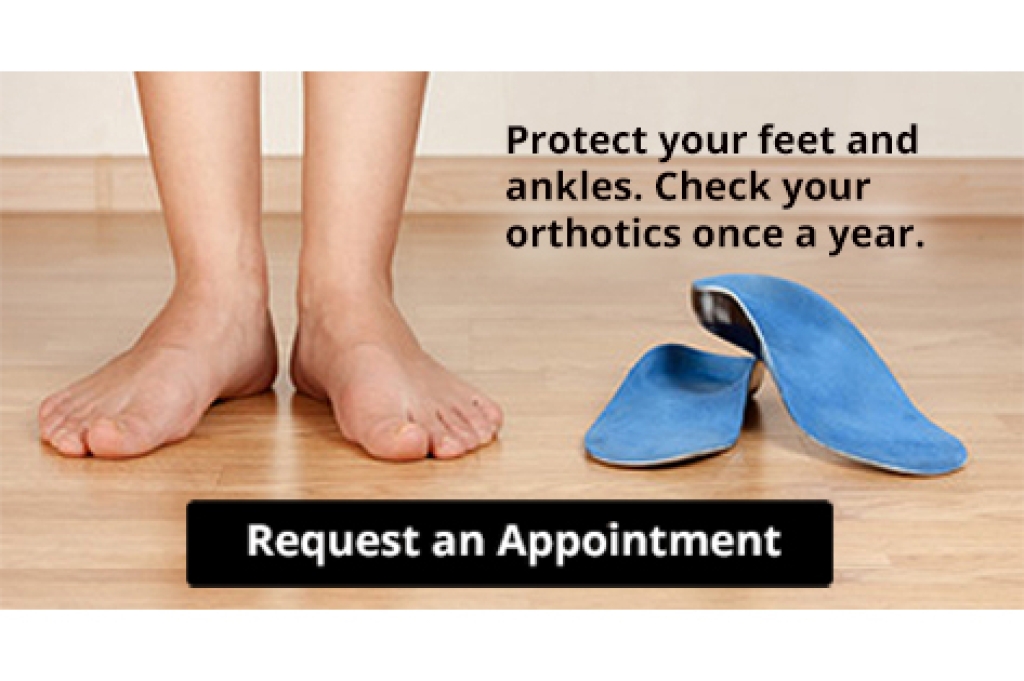
Custom orthotics, or shoe inserts, should be periodically replaced. Orthotics must fit properly to give you the best results. Protect your feet and ankles!

Connect With Us