
Ways to Prevent Athlete’s Foot

Athlete’s foot is a fungal infection that causes the skin in between the toes to become itchy, blister, and peel. The fungus that causes athlete’s foot is usually spread in warm and moist environments such as communal showers or public pools. It thrives in sweaty environments as well, and one key way to prevent athlete’s foot is to alternate shoes. Because it takes 24-48 hours for the sweat to dry out in shoes, it is also possible to dry shoes out with a hair dryer. Wearing flip flops or shower shoes while using a communal shower or public pool is another key to limiting the spread and risk of athlete’s foot. Lastly, do not wear other people’s footwear since the fungus can spread via sharing shoes. If you believe that you may have athlete’s foot, it is important to consult with a podiatrist for proper treatment.

Athlete’s Foot

Athlete’s foot is often an uncomfortable condition to experience. Thankfully, podiatrists specialize in treating athlete’s foot and offer the best treatment options. If you have any questions about athlete’s foot, consult with one of our podiatrists from Westside Podiatry Center, LLP. Our doctors will assess your condition and provide you with quality treatment.

What Is Athlete’s Foot?

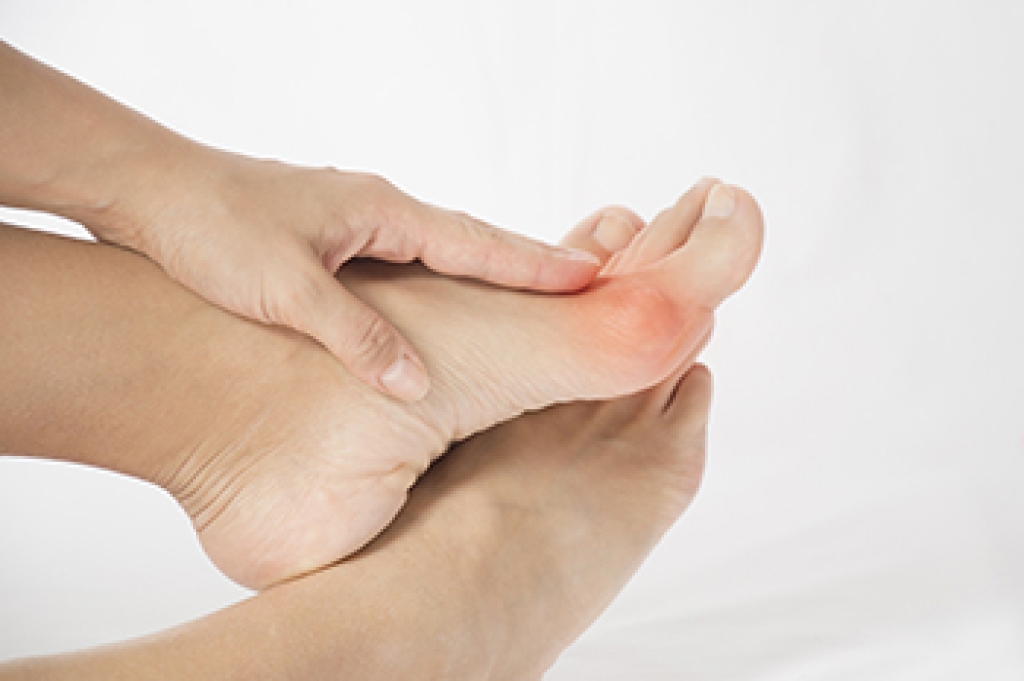
Tinea pedis, more commonly known as athlete’s foot, is a non-serious and common fungal infection of the foot. Athlete’s foot is contagious and can be contracted by touching someone who has it or infected surfaces. The most common places contaminated by it are public showers, locker rooms, and swimming pools. Once contracted, it grows on feet that are left inside moist, dark, and warm shoes and socks.

Prevention

The most effective ways to prevent athlete’s foot include:

  • Thoroughly washing and drying feet
  • Avoid going barefoot in locker rooms and public showers
  • Using shower shoes in public showers
  • Wearing socks that allow the feet to breathe
  • Changing socks and shoes frequently if you sweat a lot

Symptoms

Athlete’s foot initially occurs as a rash between the toes. However, if left undiagnosed, it can spread to the sides and bottom of the feet, toenails, and if touched by hand, the hands themselves. Symptoms include:

  • Redness
  • Burning
  • Itching
  • Scaly and peeling skin

Diagnosis and Treatment

Diagnosis is quick and easy. Skin samples will be taken and either viewed under a microscope or sent to a lab for testing. Sometimes, a podiatrist can diagnose it based on simply looking at it. Once confirmed, treatment options include oral and topical antifungal medications.

If you have any questions, please feel free to contact one of our offices located in Liverpool, Camillus, Skaneateles, Oswego, and Cicero, NY . We offer the newest diagnostic and treatment technologies for all your foot care needs.

Read more about How to Deal with Athlete's Foot

Do Your Child's Feet Hurt?

Have your child's feet been examined lately? Healthy feet are happy feet. If your child is complaining of foot pain, it may be a sign of underlying problems.

What Causes Ingrown Toenails?

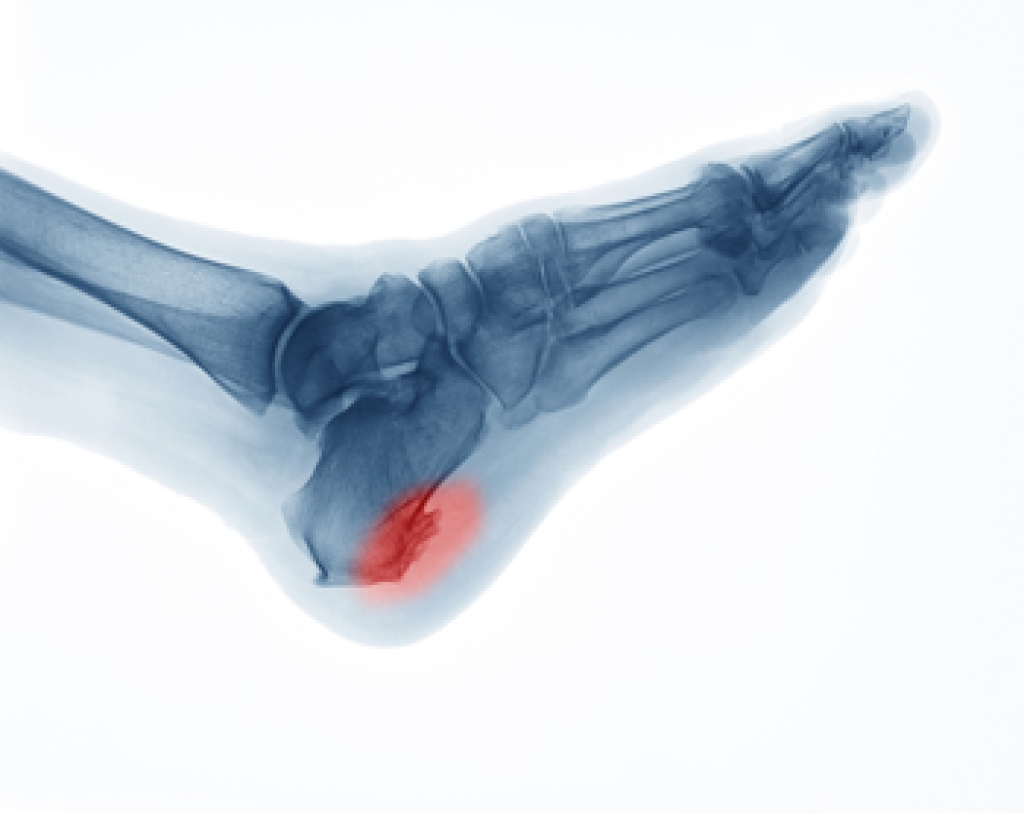
Ingrown toenails occur when the nail grows into the skin surrounding it. While they generally occur on the big toe, they can affect any toe. One common cause of ingrown toenails is the shape of the nail. This can be hereditary. Nails that become more broad at the top of the toes or nails that are naturally curly have a tendency to push into the skin. Trauma to the toenail or wearing shoes that are too tight can also lead to ingrown toenails. Signs of an ingrown toenail include redness around the side of the toe near the nail, swelling of the toe, and liquid seeping from the side of the nail. Because ingrown toenails are prone to infection, it is important to visit a podiatrist especially if an ingrown toenail persists.   

Ingrown toenails can become painful if they are not treated properly. For more information about ingrown toenails, contact one of our podiatrists of Westside Podiatry Center, LLP. Our doctors can provide the care you need to keep you pain-free and on your feet.

Ingrown Toenails

Ingrown toenails occur when a toenail grows sideways into the bed of the nail, causing pain, swelling, and possibly infection.

Causes

  • Bacterial infections
  • Improper nail cutting such as cutting it too short or not straight across
  • Trauma to the toe, such as stubbing, which causes the nail to grow back irregularly
  • Ill-fitting shoes that bunch the toes too close together
  • Genetic predisposition

Prevention

Because ingrown toenails are not something found outside of shoe-wearing cultures, going barefoot as often as possible will decrease the likeliness of developing ingrown toenails. Wearing proper fitting shoes and using proper cutting techniques will also help decrease your risk of developing ingrown toenails.

Treatment

Ingrown toenails are a very treatable foot condition. In minor cases, soaking the affected area in salt or antibacterial soaps will not only help with the ingrown nail itself, but also help prevent any infections from occurring. In more severe cases, surgery is an option. In either case, speaking to your podiatrist about this condition will help you get a better understanding of specific treatment options that are right for you.

If you have any questions, please feel free to contact one of our offices located in Liverpool, Camillus, Skaneateles, Oswego, and Cicero, NY . We offer the newest diagnostic and treatment technologies for all your foot care needs.
Read more about Ingrown Toenails

Can You Get Arthritis in Your Feet?

There are multiple types of arthritis that can affect the joints of the feet, including osteoarthritis, rheumatoid arthritis, psoriatic arthritis, and gout. Osteoarthritis is the most common type, affecting millions of people by breaking down the cushioning cartilage between the bones that form the joints. Rheumatoid arthritis, which is less common, is an autoimmune condition that damages the lining of the joints. Psoriatic arthritis can affect people who have a skin condition called psoriasis, while gout is caused by excessive levels of uric acid in the bloodstream. Regardless of the type of arthritis one might have, there is a set of typical arthritis symptoms that affect the feet. These symptoms include joint pain, swelling, and stiffness, as well as a restricted range of motion in the affected joint. If you have arthritis in the joints of your feet, it is suggested that you consult with a podiatrist for treatment.

Arthritis can be a difficult condition to live with. If you are seeking treatment, contact one of our podiatrists from Westside Podiatry Center, LLP. Our doctors can provide the care you need to keep you pain-free and on your feet.

Arthritic Foot Care  

Arthritis is a joint disorder that involves the inflammation of different joints in your body, such as those in your feet. Arthritis is often caused by a degenerative joint disease and causes mild to severe pain in all affected areas. In addition to this, swelling and stiffness in the affected joints can also be a common symptom of arthritis.

In many cases, wearing ill-fitting shoes can worsen the effects and pain of arthritis. Wearing shoes that have a lower heel and extra room can help your feet feel more comfortable. In cases of rheumatoid arthritis, the arch in your foot may become problematic. Buying shoes with proper arch support that contour to your feet can help immensely.

Alleviating Arthritic Pain

  • Exercises that stretch the foot can prevent further pain and injury and increase mobility
  • Most of the pain can be alleviated with anti-inflammatory drugs, heat, and topical medications
  • Massages can help temporarily alleviate pain.

It is best to see your doctor for the treatment that is right for your needs and symptoms. Conditions vary, and a podiatrist can help you determine the right method of care for your feet.

If you have any questions please feel free to contact one of our offices located in Liverpool, Camillus, Skaneateles, Oswego, and Cicero, NY . We offer the newest diagnostic tools and technology to treat your foot and ankle needs.

Read more about Arthritic Foot Care

An Inflamed Nerve May Indicate Morton’s Neuroma

The medical condition that is referred to as Morton’s neuroma generally forms in the ball of the foot, and the pain is felt between the third and fourth toes. It can develop as a result of frequently participating in high-impact sporting activities, or from wearing shoes that do not have adequate room for the toes to move freely in. This may cause the tissue surrounding the toe to thicken, which can then become inflamed and irritated. Common symptoms that patients may experience can consist of foot pain while walking, or a burning or tingling sensation. Additionally, it may feel like there is a small stone in the bottom of the foot. After a proper diagnosis is performed, which typically consists of a foot and ankle examination, correct treatment can begin. If you are affected by Morton’s neuroma, please consult with a podiatrist who can determine what the best treatment is for you.

Morton’s neuroma is a very uncomfortable condition to live with. If you think you have Morton’s neuroma, contact one of our podiatrists of Westside Podiatry Center, LLP. Our doctors will attend to all of your foot care needs and answer any of your related questions.  

Morton’s Neuroma

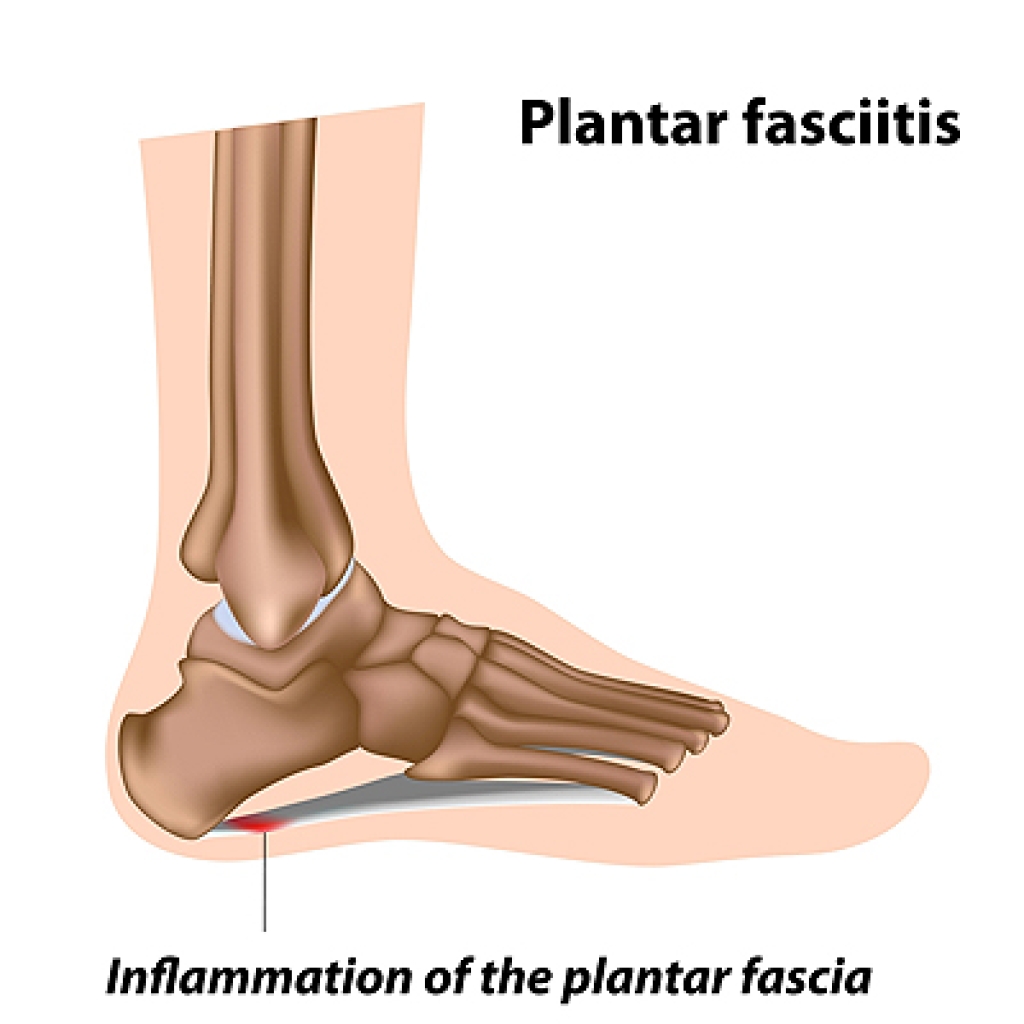
Morton's neuroma is a painful foot condition that commonly affects the areas between the second and third or third and fourth toe, although other areas of the foot are also susceptible. Morton’s neuroma is caused by an inflamed nerve in the foot that is being squeezed and aggravated by surrounding bones.

What Increases the Chances of Having Morton’s Neuroma?

  • Ill-fitting high heels or shoes that add pressure to the toe or foot
  • Jogging, running or any sport that involves constant impact to the foot
  • Flat feet, bunions, and any other foot deformities

Morton’s neuroma is a very treatable condition. Orthotics and shoe inserts can often be used to alleviate the pain on the forefront of the feet. In more severe cases, corticosteroids can also be prescribed. In order to figure out the best treatment for your neuroma, it’s recommended to seek the care of a podiatrist who can diagnose your condition and provide different treatment options.

If you have any questions, please feel free to contact one of our offices located in Liverpool, Camillus, Skaneateles, Oswego, and Cicero, NY . We offer the newest diagnostic and treatment technologies for all your foot care needs.
Read more about Morton's Neuroma

Connect With Us