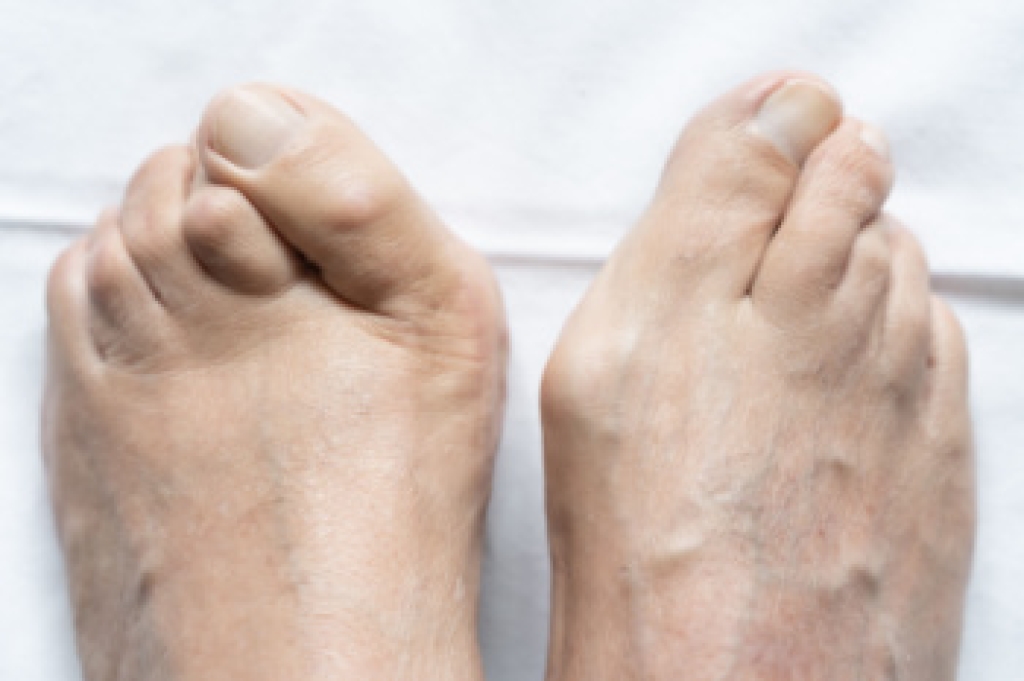
A bunion develops when the bones near the base of a toe shift out of their normal position. This change creates a noticeable bump along the side of the foot. Most bunions form beside the big toe, which gradually leans toward the second toe. A smaller bump can also develop near the little toe. This is called a tailor's bunion, or bunionette. Some people notice a change in foot shape without feeling pain. Others experience soreness, redness, or a burning sensation around the affected joint. Numbness can also occur. Shoes that crowd the toes can make these symptoms worse, especially when standing for long periods. A podiatrist can examine the joint and determine whether a bunion is responsible for the discomfort.
Bunions are closely linked to inherited foot structure. When the foot distributes weight unevenly, pressure can affect the alignment of the toe joints. Narrow shoes and high heels do not necessarily create the underlying problem, but they can increase pressure against an existing bunion. As the big toe shifts, it may rub against the neighboring toe. This can contribute to calluses, irritated skin, or sores between the toes. Some patients also develop an ingrown toenail or stiffness that limits big-toe movement. These changes can make finding comfortable shoes more difficult. Pain can become especially noticeable when walking or spending much of the day on the feet. Because bunions differ in size and severity, an examination helps distinguish joint changes from other sources of foot pain.
A podiatrist can assess toe alignment, check joint movement, and identify areas where shoes create friction. X-rays can help show the position of the bones when a closer evaluation is appropriate. Treatment focuses on reducing discomfort and protecting the affected joint. A podiatrist may recommend shoes with a roomy toe box and secure fastenings to reduce pressure. Protective padding can limit rubbing against the bump. Custom orthotics may also help redistribute pressure across the foot. These measures can relieve symptoms, but they do not straighten the underlying bone alignment. A podiatrist can monitor changes in foot shape and adjust care when pain begins affecting daily activities. Early evaluation also helps address related skin irritation and restricted toe movement. If you have symptoms of bunions, it is suggested that you schedule an appointment with a podiatrist for diagnosis and treatment.
If you are suffering from bunions, contact one of our podiatrists of Westside Podiatry Center, LLP. Our doctors can provide the care you need to keep you pain-free and on your feet.
What Is a Bunion?
A bunion is formed of swollen tissue or an enlargement of boney growth, usually located at the base joint of the toe that connects to the foot. The swelling occurs due to the bones in the big toe shifting inward, which impacts the other toes of the foot. This causes the area around the base of the big toe to become inflamed and painful.
Why Do Bunions Form?
Genetics – Susceptibility to bunions are often hereditary
Stress on the feet – Poorly fitted and uncomfortable footwear that places stress on feet, such as heels, can worsen existing bunions
How Are Bunions Diagnosed?
Podiatrists often perform two tests – blood tests and x-rays – when trying to diagnose bunions, especially in the early stages of development. Blood tests help determine if the foot pain is being caused by something else, such as arthritis, while x-rays provide a clear picture of your bone structure to your provider.
How Are Bunions Treated?
- Refrain from wearing heels or similar shoes that cause discomfort
- Select wider shoes that can provide more comfort and reduce pain
- Anti-inflammatory and pain management drugs
- Orthotics or foot inserts
- Surgery
If you have any questions, please feel free to contact one of our offices located in Liverpool, Camillus, Skaneateles, Oswego, and Cicero, NY . We offer the newest diagnostic and treatment technologies for all your foot care needs.
